
Safety and Preparation
At Naturalia, the safety and well-being of our participants are our highest priority.
Ayahuasca is a powerful traditional medicine that can bring clarity, support healing processes, and open new paths of understanding. At the same time, it requires a respectful and well-prepared framework to ensure that each experience unfolds in conditions of safety, balance, and care.
Through years of experience, we have learned that working with Ayahuasca responsibly means paying close attention to preparation, context, and individual sensitivity. Safety is not an option or an afterthought — it is the foundation upon which the entire process rests.
Beyond physical considerations, we understand that emotional and psychological support play an essential role in the participant’s journey. Each person arrives with a unique history, sensitivity, and intention, which is why personalized guidance and human presence are central to our approach.
At Naturalia, safety and accompaniment go hand in hand. Our commitment is to offer a clear, attentive, and supportive framework, allowing participants to engage with the medicine in a grounded, respectful, and well-held environment.
Medical Substances & contraindications
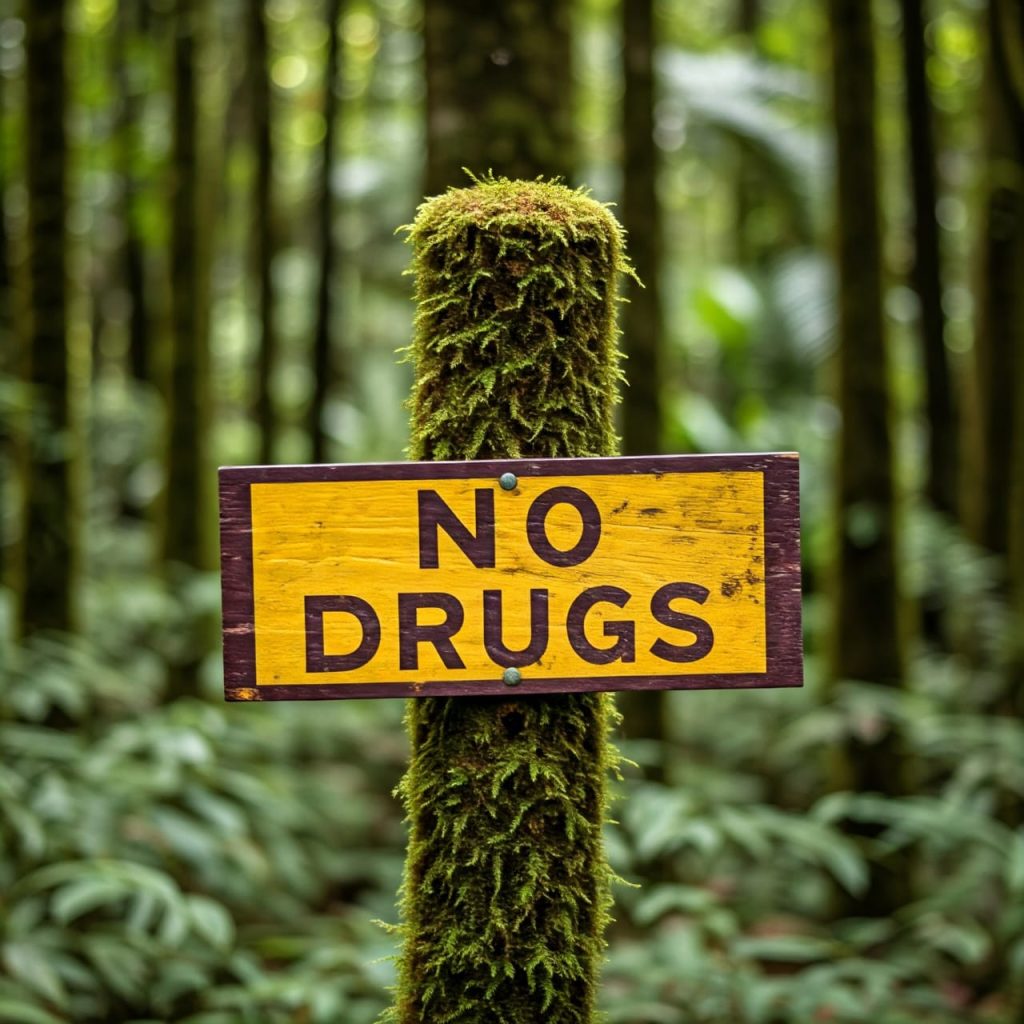
Working with Ayahuasca requires careful attention to physical health, psychological stability, and the substances present in the body. This traditional medicine interacts deeply with both physiological and emotional systems, which is why a responsible and well-informed framework is essential.
At Naturalia, medical and substance-related contraindications are approached with seriousness, transparency, and care. This process is not intended to judge or exclude, but to ensure that each participant engages with the medicine in conditions that prioritize safety, balance, and long-term well-being.
Ayahuasca is not suitable for everyone, and certain medical conditions or substances can significantly increase risks when combined with the medicine. A clear understanding of these factors is a fundamental part of responsible practice.
Medical considerations
Certain medical conditions are generally considered incompatible with Ayahuasca work, as they may increase physical or psychological risks. These include, but are not limited to:
– Schizophrenia or other psychotic disorders
– Epilepsy or a history of seizures
– Bipolar disorder
– Severe or unstable personality disorders (including severe borderline disorder)
– Very high blood pressure
– Type 1 diabetes
These conditions require particular caution, and in most cases Ayahuasca is not recommended. Each situation is approached individually, with the intention of protecting the participant’s health and stability above all else.
Ayahuasca is not a medical treatment and is never presented as a substitute for medical care, diagnosis, or prescribed therapies.
Psychological considerations
Ayahuasca can bring forward deep emotional material and altered states of perception. For this reason, psychological well-being and emotional stability are essential considerations.
Participants with a history of psychological fragility may require additional evaluation, preparation, or may be advised to postpone or avoid participation altogether. These decisions are always made with care, discretion, and respect for confidentiality.
Substances, medications, and interactions
Ayahuasca contains natural compounds that act as MAO inhibitors (MAOIs). These compounds temporarily affect the way the body processes certain neurotransmitters.
Some medications — particularly those that affect serotonin levels, such as SSRIs and other antidepressants — can conflict with MAOIs. When combined, these substances may create serious and potentially dangerous reactions in the body.
For this reason, medications prescribed for anxiety, depression, or sleep disorders are generally incompatible with Ayahuasca unless they have been safely discontinued well in advance. This is not a matter of belief or tradition, but a well-known interaction principle that requires caution and responsibility.
Participants are strongly encouraged to consult their primary healthcare provider before stopping any prescribed medication, in order to establish a safe and appropriate tapering plan when necessary.
Recreational substances
Ayahuasca can also interact with recreational substances in ways that increase physical or psychological risks.
For safety reasons, recreational drugs such as cocaine, heroin, LSD, ecstasy, MDA, MDMA, or similar substances must be avoided for at least one month prior to the retreat.
This preparation period allows the body and nervous system to return to a stable baseline before engaging with the medicine.
Cannabis and other plant substances
Regarding cannabis and psychedelic mushrooms, there is no known physical contraindication when considered independently. However, from an experiential and energetic perspective, it is recommended to avoid the use of these substances for at least three weeks prior to the retreat.
This period of abstinence helps reduce residual energetic or psychological effects that could interfere with clarity, grounding, and the overall ceremonial process.
Medical intake and shared responsibility
To support safety and personalized care, a confidential medical questionnaire is sent to each participant prior to arrival. This questionnaire allows us to better understand individual needs and includes information such as:
– Medical history and relevant health conditions
– Current or past medications and substances
– Allergies
– Dietary preferences or restrictions (vegetarian, vegan, pescatarian, etc.)
– Emergency contact information
This information is treated with discretion and respect, and it allows us to offer a more attentive, adapted, and safe framework for each participant.
Safety is a shared responsibility between participants and facilitators. Honest communication, respect for preparation guidelines, and a willingness to prioritize well-being over expectations are essential elements of this work.
At Naturalia, our commitment is not to encourage participation at all costs, but to ensure that each person who arrives does so within a framework that supports clarity, stability, and safety.
Psychological & Human Support
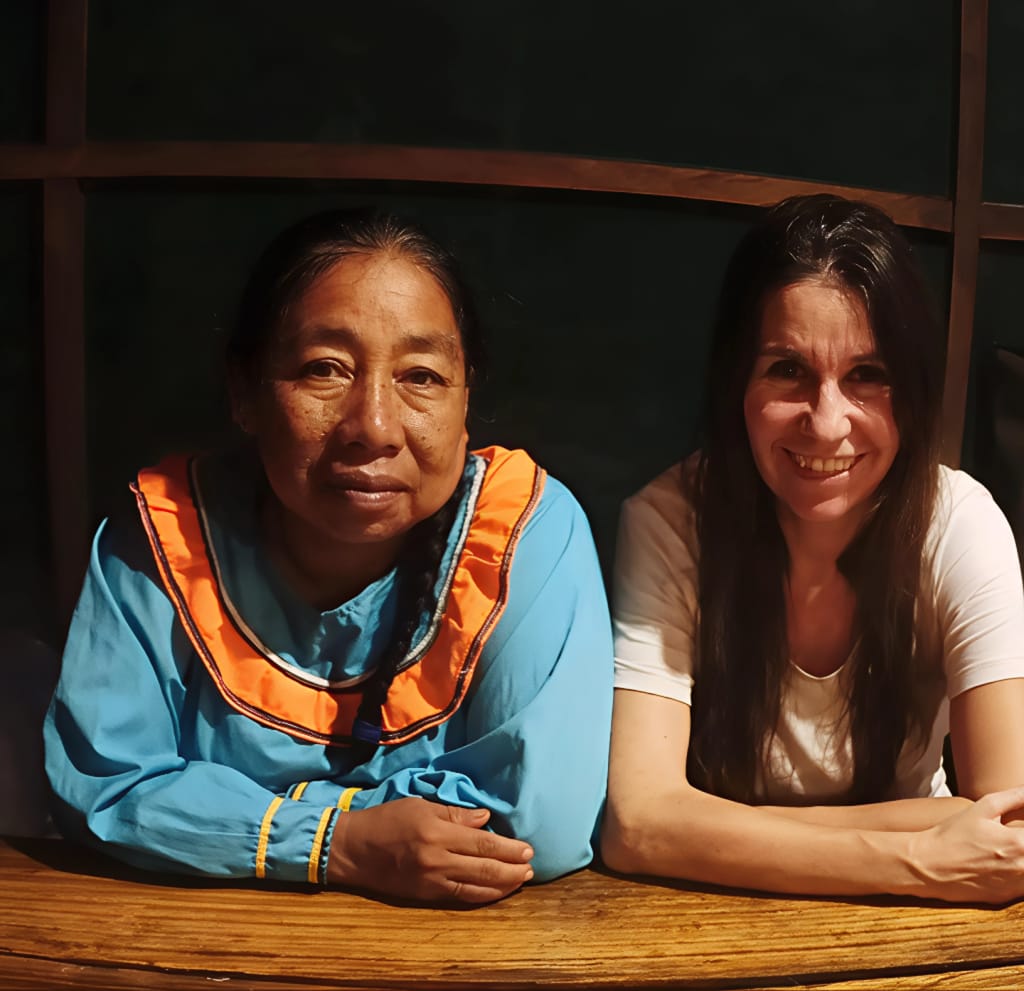
Working with Ayahuasca is not only a physical or ceremonial experience — it is a deeply human and psychological process. Emotions, memories, personal narratives, and inner landscapes may emerge, sometimes gently, sometimes with intensity. For this reason, psychological and human support are essential pillars of a responsible Ayahuasca practice.
At Naturalia, we understand that safety goes beyond medical considerations. Feeling emotionally supported, respected, and understood before, during, and after ceremonies is fundamental to the well-being of our participants and to the integration of their experience.
A simple, human, and respectful approach
At Naturalia, we choose to relate to participants in a simple and natural way.
We do not use inflated spiritual language, performative rituals, or exaggerated symbolism. We do not pretend to be something we are not.
We are not gurus, teachers, or preachers.
We do not impose beliefs, interpretations, or spiritual frameworks.
Our role is to accompany — with humility, clarity, and respect — allowing each participant to live their own experience according to their personal beliefs, culture, and worldview.
Everyone is welcome, including LGBTQ+ participants. Each person is received as they are, without judgment or expectation, in a space where respect and inclusivity are essential values.
Personalized and attentive support
Each participant arrives with a unique life story, emotional sensitivity, and intention. There is no single way to experience Ayahuasca, and no predefined path that applies to everyone.
Our approach is based on attentive listening, discernment, and respect for individual rhythms. Working with small groups allows us to offer genuine presence and personalized support rather than a standardized or impersonal experience.
Emotional containment and psychological safety
Ayahuasca can bring forward unresolved emotions, memories, or inner tensions. A stable and calm container is essential to allow these elements to emerge without overwhelming the participant.
Psychological safety is supported through:
– clear communication and preparation
– a grounded and calm ceremonial environment
– experienced facilitators who remain present and attentive
– respect for personal boundaries and individual limits
The intention is never to provoke or intensify experiences, but to allow each process to unfold at its own pace.
Continuous presence and qualified support
Throughout the retreat, facilitators and the Shipibo maestro are available 24 hours a day to respond to the needs of participants. Whether practical, emotional, or related to the ceremonial process, support is always accessible and attentive.
Participants are never left alone with uncertainty, discomfort, or questions. The presence of the team is constant, discreet, and responsive, ensuring that help and guidance are available whenever needed, day or night.
All facilitators at Naturalia are certified in Emergency First Response (EFR), primary and secondary care, and bring nearly 20 years of experience working in isolated tropical environments. This background allows the team to remain calm, competent, and reliable in a wide range of situations, while maintaining a grounded and reassuring presence.
This combination of continuous availability, medical preparedness, and long-term field experience forms an essential part of the safety and care framework at Naturalia.
Private exchanges and ceremonial dialogue
Upon arrival, private and confidential one-on-one meetings with the Shipibo maestro are offered. These moments allow participants to share their intentions, ask questions, and receive guidance in a personal and respectful setting.
After each ceremony, time is dedicated to debriefing and dialogue, during which participants are free to share as much or as little as they wish. Questions can be asked directly to the shaman, and experiences can be clarified without interpretation being imposed.
These exchanges are optional and always guided by the participant’s comfort and willingness.
Integration and continuity
The work initiated during ceremonies continues well beyond the ceremonial space. Integration — the process of understanding and applying insights in daily life — is an essential part of meaningful and lasting transformation.
In addition to natural daily conversations and informal support, two dedicated integration sessions are included during the retreat. These sessions are designed to help participants:
– reflect on their experience
– identify what is meaningful or useful
– explore how insights can be applied concretely in daily life
The focus is on practicality, grounding, and continuity, rather than on abstract concepts or spiritual explanations.
Respecting psychological limits
Not every moment in life is the right moment to work with Ayahuasca. Psychological readiness matters as much as intention.
When necessary, we may suggest taking more time, seeking additional support, or postponing participation. These decisions are always guided by care and responsibility, with the long-term well-being of the participant as the priority.
A foundation of trust and care
Psychological and human support are not additional features at Naturalia — they are the foundation of our work.
By choosing simplicity, honesty, attentive presence, and respect for individual beliefs, we aim to offer a space where participants feel safe, included, and genuinely supported throughout their journey.
How to prepare for an Ayahuasca Retreat?
Preparation is an essential part of working with Ayahuasca.
It is not about following strict rules or striving for perfection, but about creating the right conditions — physically, emotionally, and mentally — for a safe, grounded, and meaningful experience.
At Naturalia, preparation is approached with simplicity, common sense, and respect for individual situations. Each participant arrives with a different background, rhythm, and intention, and preparation is meant to support clarity and well-being rather than pressure or performance.
Physical preparation
In the weeks leading up to the retreat, it is important to allow the body to return to a balanced and receptive state.
Participants are asked to:
– follow the medical and substance guidelines shared prior to arrival
– avoid alcohol, recreational drugs, and incompatible medications
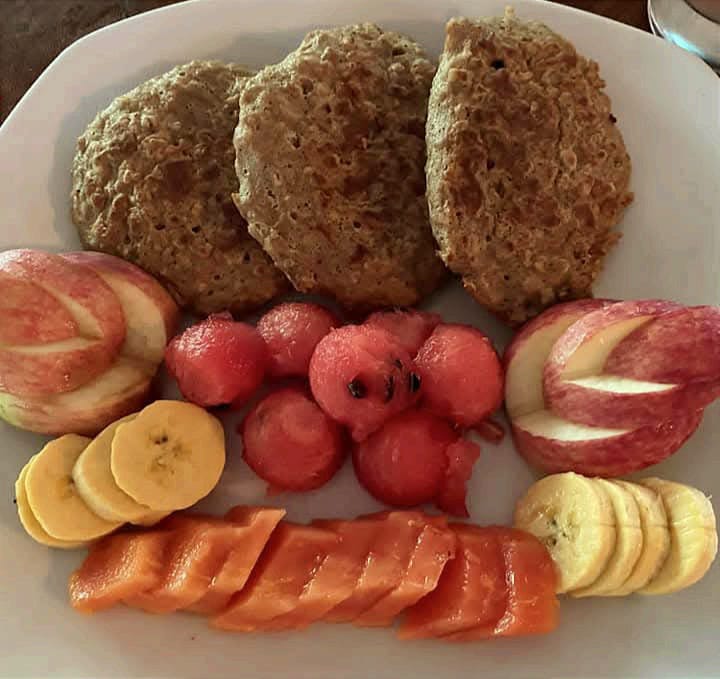
– favor light, simple, and natural foods
– reduce or avoid excessive sugar, caffeine, and highly processed products
This physical preparation helps reduce unnecessary strain on the body and supports a smoother interaction with the medicine.
Dietary preferences and restrictions (vegetarian, vegan, pescatarian, allergies, etc.) are fully respected and taken into account throughout the retreat.
Dietary preparation and health considerations
As part of preparing for an Ayahuasca retreat, particular attention is given to diet and general health. This preparation is not about restriction or symbolic purification, but about supporting the body in a simple, balanced, and receptive state.
At Naturalia, we follow a traditional dietary approach that aims to reduce unnecessary strain on the body and nervous system, allowing the medicine to be approached in clearer and safer conditions. While perspectives on the importance of diet may vary, our experience shows that a lighter and simpler diet supports comfort, clarity, and overall well-being during ceremonies.
We generally recommend beginning this dietary preparation 3 to 5 days before the retreat, whenever possible.
Foods to avoid
Certain foods and substances are best avoided before and during the retreat, as they may interfere with physical comfort or interact with the medicine.
Stimulants and irritants
– Caffeine
– Strong spices and chili
– Excessive fats and oils
– Excess salt and sugar
Fermented foods
– Soy sauce
– Miso
– Tofu
– Cheese
– Yeast-based products
– Beer and wine
Foods high in tyramine
– Very ripe avocados
– Figs
– Prunes
– Peanuts
– Chocolate
Alcohol
– Alcohol should be avoided for at least one week before, during, and after the retreat.
Sexual activity
-It is also recommended to refrain from sexual activity or masturbation for several days before and after the retreat, in order to support physical balance and overall stability.
This dietary approach is meant to support grounding, digestion, and comfort, helping participants arrive in a state that is more receptive and at ease.
Simple meal ideas for preparation
To support this preparation at home, simple and nourishing meals are encouraged. Examples include:
– Steamed rice with roasted tomatoes, garlic, and parsley
– Pumpkin soup prepared with garlic and onion, accompanied by steamed vegetables
– Roasted potatoes with rosemary, served with steamed fish and tomatoes
– Steamed chicken with garlic, carrots, and spinach for a balanced protein intake
– Poached eggs on quinoa with garlic and green peas
– Slow-cooked lentils with tomatoes, garlic, carrots, and oregano
The emphasis is on simplicity, freshness, and ease of digestion rather than complexity or strict rules.
Mental and emotional preparation
Ayahuasca does not require special beliefs or spiritual knowledge. What matters most is honesty with oneself and a willingness to engage with the experience as it unfolds.
In preparation, participants are encouraged to:
– take time for self-reflection
– observe their intentions without forcing expectations
– rest and simplify daily routines when possible
– approach the retreat with openness rather than anticipation of specific outcomes
Strong expectations can sometimes create unnecessary pressure. Allowing space for uncertainty often supports a more grounded and authentic process.
Intentions and openness
Setting an intention does not mean defining a goal or desired result.
An intention can be as simple as listening, understanding, or taking care of oneself.
At Naturalia, intentions are approached as a gentle orientation rather than a demand placed on the experience. Participants will have the opportunity to clarify their intentions privately with the Shipibo maestro upon arrival, in a respectful and confidential setting.
Rest, rhythm, and nervous system regulation
Entering the retreat in a state of exhaustion or overload can make the experience more challenging. Whenever possible, participants are encouraged to:
– reduce stress and external commitments before arrival
– prioritize sleep and rest
– limit exposure to intense media or overstimulation
– Arriving rested supports emotional stability and helps the nervous system adapt more smoothly to the ceremonial environment.
Trusting the process
Preparation does not end upon arrival. It continues naturally through conversations, guidance, and the supportive environment of the retreat.
At Naturalia, preparation is not about control, discipline, or restriction. It is about care, honesty, and readiness — creating a foundation that supports safety, clarity, and integration.
Each participant is supported throughout this process, before and during the retreat, with attentive presence and respect for individual limits.
Support and flexibility
Preparation is meant to support you, not to create stress or pressure. Dietary needs, allergies, and personal constraints are always taken into account, and adjustments can be made when necessary.
If you have questions, need clarification, or would like additional guidance or recipe ideas, you are welcome to reach out at any time. We are here to support your preparation and help ensure that your retreat unfolds in safe, comfortable, and respectful conditions.
A shared responsibility
Preparing for an Ayahuasca retreat is a shared responsibility between participants and facilitators. Open communication, transparency, and respect for guidelines help ensure that the experience unfolds within a safe and well-held framework.
Our commitment is not to promise outcomes, but to offer the conditions in which each person can engage with the experience in a grounded, respectful, and supported way.